Understanding the Pledges Made to the United States by Individuals and Foreign Nations
- Eric Malo
- Nov 2, 2025
- 4 min read
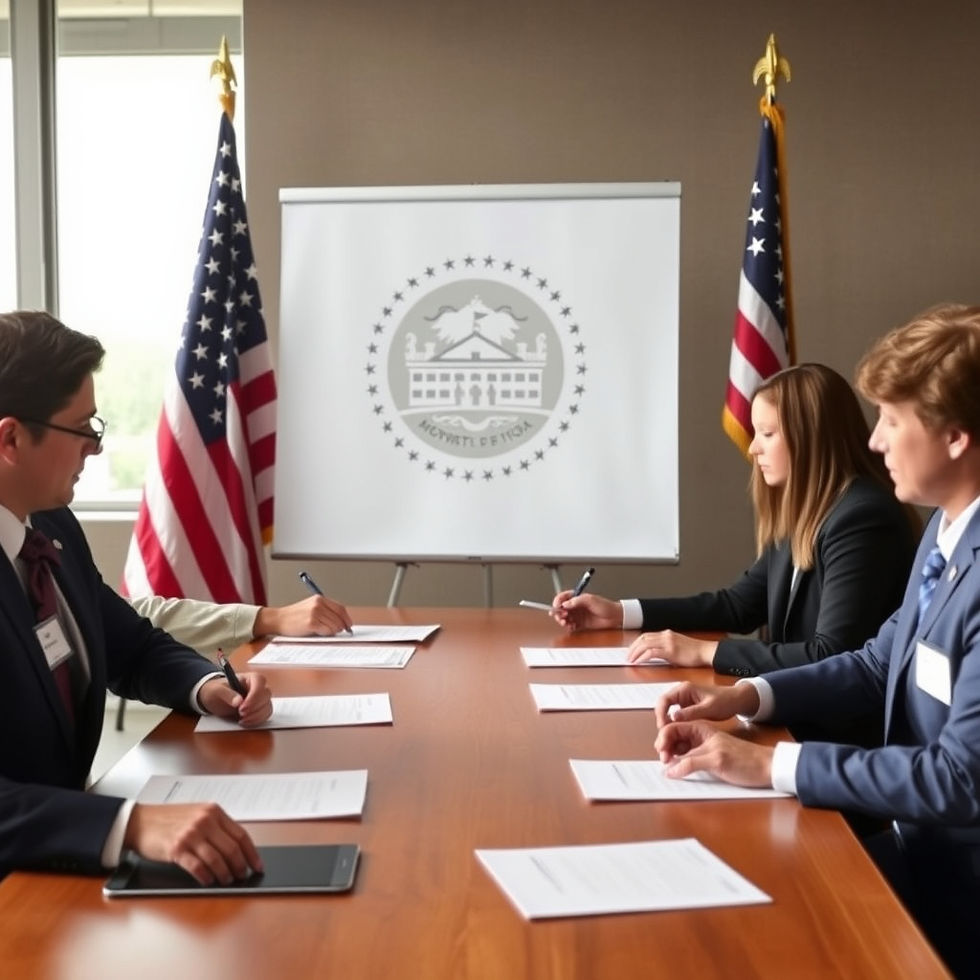
Pledges made to the United States by individuals and foreign nations are not just formalities; they are powerful statements that shape political dynamics and global relations. Whether they take the form of treaties, personal commitments, or public promises, understanding the implications of these pledges is essential for comprehending U.S. politics and its international standing.
The Historical Context of Pledges
History is filled with crucial agreements that highlight the U.S.'s evolution on the world stage. From the Treaty of Paris in 1783, which recognized U.S. independence, to modern trade agreements like the USMCA (United States-Mexico-Canada Agreement), these pledges have been pivotal in fostering diplomatic relations.
Consider the Paris Agreement, which aims to limit global warming. In 2016, nearly 200 countries pledged to reduce greenhouse gas emissions, with the U.S. committing to a 26% to 28% reduction from 2005 levels by 2025. Such commitments not only signal cooperation but also reflect the nation's values and priorities.
Beyond international treaties, individuals also play a vital role. Oaths of allegiance from immigrants, promises made by public officials, and pledges from citizens to support national initiatives all contribute to the collective identity and governance of America.
Types of Pledges
International Treaties and Agreements
International treaties are legally binding contracts between nations. The U.S. Constitution requires a two-thirds majority in the Senate for ratification, ensuring that such commitments represent a broad consensus among the states. Significant examples include:
NATO (North Atlantic Treaty Organization): Established in 1949, this military alliance requires its members to defend one another in the event of an attack against any of them.
New START Treaty: This arms control agreement between the U.S. and Russia limits nuclear arsenals, emphasizing the importance of reducing atomic threats.
These treaties often address critical issues like defense, trade, and climate change. The Paris Agreement exemplifies a global commitment among nations to combat climate change. Such international pledges are essential for maintaining global peace and stability.
Personal Pledges by Individuals
On a more personal level, individual pledges showcase citizens' dedication to their country. Military service oaths, civic responsibilities, and public service commitments play crucial roles in nurturing community spirit.
Notably, influential figures, including leading philanthropists like Bill Gates and Warren Buffett, have pledged billions to health, education, and poverty alleviation initiatives. Their commitments inspire everyone to take action and mobilize resources for the greater good of society, significantly impacting a wide range of social issues.
The Impact of Pledges on U.S. Politics
Strengthening Diplomatic Relations
Foreign pledges have a significant influence on U.S. diplomatic relations. For instance, agreements like the U.S.-Mexico-Canada Agreement (USMCA) enhance trade relations between the United States, Mexico, and Canada. The deal aims to boost the U.S. economy, with estimates suggesting it could create over 175,000 new jobs.
By fulfilling their commitments, countries can build stronger alliances, as evidenced by trade partnerships with nations such as South Korea and Japan. Credibility and trust hinge on upholding these commitments, which are vital in the shifting landscape of international relations.
Influencing Domestic Policies
Individual pledges drive change within the U.S. When citizens advocate for particular issues, their commitments can spark legislation and social movements. Grassroots campaigns for healthcare reform are prime examples of how collective pledges can shift public policy. In 2010, the Affordable Care Act was passed with considerable public support, with over 60% of Americans backing it at the time of its passage.
The resonance of personal pledges often reflects broader societal values. Engaging citizens in the political process empowers them to influence government direction, ultimately molding policies to meet public needs.
Challenges and Controversies
Compliance and Accountability
A significant hurdle in managing pledges lies in compliance and accountability. For international treaties, enforcing commitments can be problematic. In 2018, the U.S. withdrew from the Paris Agreement, raising questions about its dedication to global climate efforts.
On a personal level, individual pledges can be tough to fulfill. Life circumstances may hinder commitment, which can affect public trust in political processes and leaders.
Political Polarization
Political polarization has intensified perceptions of pledges. As individuals and nations align commitments with specific ideologies, divisions can emerge that hinder collaboration. Recent surveys indicate that 40% of Americans believe political divisions negatively impact governmental effectiveness, complicating efforts to achieve shared goals.
The Future of Pledges in U.S. Politics
Evolving International Landscape
The global environment is continually changing, affecting the nature of pledges to the U.S. Issues such as climate change, cybersecurity threats, and global pandemics necessitate new commitments. For example, climate initiatives may require unprecedented levels of cooperation among nations and proactive international pledges, particularly as the COP26 conference underscored the urgency of climate action.
The ability to adapt to these emerging challenges will be essential for the U.S.'s global standing. Collaborative pledges that target these pressing issues can foster cooperation across borders.
Engaging Citizens in the Political Process
Encouraging individual commitments to civic engagement is critical for the future of U.S. politics. A robust culture of participation allows citizens to shape policies and hold leaders accountable. Initiatives such as community service programs or voter registration drives can inspire personal pledges that foster stronger ties between the government and the public.
Creating avenues for involvement ensures that citizens feel empowered to contribute to the democratic process. This engagement is crucial for any effective response to the complex challenges America faces today.
A historic treaty document symbolizing international agreements made with the United States
Final Thoughts
Pledges made to the United States by individuals and foreign nations have a significant impact on the country's political dynamics. They shape diplomatic relationships, influence domestic policies, and engage citizens in meaningful ways. Understanding these commitments helps clarify the intricacies of U.S. politics and its global position.
As global challenges evolve, the importance of these pledges will continue to grow. By fostering accountability and engagement, the U.S. can ensure that commitments—both individual and international—work to its advantage and contribute positively to its future.
With that being said, a commitment to give money, aid, or military assistance is still a promise and is not usually subject to the legalities of a binding written contract


Comments